Trends Of Vitamin D Status Are Linked To Breast Cancer Outcomes
Oct 05, 2026

Vitamin D plays a well-established role in overall health, and a growing body of research has linked vitamin D status to breast cancer risk and outcomes.
However, most studies to date have relied on a single measurement to assess a person's vitamin D status, and one reading can only reveal so much (after all, it's just a snapshot in time). Now, a new study tracking vitamin D across 513 women with breast cancer found that how levels changed over the course of treatment was a stronger predictor of outcomes than any single reading alone. Here's what you need to know.
full story . . . |
 |
GrassrootsHealth to Honor Vitamin D Research Pioneers
Sep 30, 2026
 Encinitas, CA—On November 2, 2026, GrassrootsHealth will host the inaugural Baggerly-Garland Vitamin D Scientist Awards at the Goldberg Auditorium at Moores Cancer Center at UC San Diego Health. Taking place on World Vitamin D Day, the ceremony will recognize scientists whose research has helped advance understanding of vitamin D, UVB exposure, and cancer prevention. Sponsored by Solius Labs, the special press event will honor Dr. William B. Grant, Dr. Joan Lappe, and Dr. Edward D. Gorham, as well as the legacies of Carole Baggerly, founder of GrassrootsHealth, and Dr. Frank C. Garland, whose vision, persistence, and commitment helped transform the scientific conversation surrounding vitamin D and cancer prevention. The event will begin at 11 a.m. Pacific Time, with attendance available both in person and virtually. Encinitas, CA—On November 2, 2026, GrassrootsHealth will host the inaugural Baggerly-Garland Vitamin D Scientist Awards at the Goldberg Auditorium at Moores Cancer Center at UC San Diego Health. Taking place on World Vitamin D Day, the ceremony will recognize scientists whose research has helped advance understanding of vitamin D, UVB exposure, and cancer prevention. Sponsored by Solius Labs, the special press event will honor Dr. William B. Grant, Dr. Joan Lappe, and Dr. Edward D. Gorham, as well as the legacies of Carole Baggerly, founder of GrassrootsHealth, and Dr. Frank C. Garland, whose vision, persistence, and commitment helped transform the scientific conversation surrounding vitamin D and cancer prevention. The event will begin at 11 a.m. Pacific Time, with attendance available both in person and virtually.
full story . . . |
|
Sunlight, blood sugar and diabetes: a new study finds an intriguing connection
Aug 28, 2026
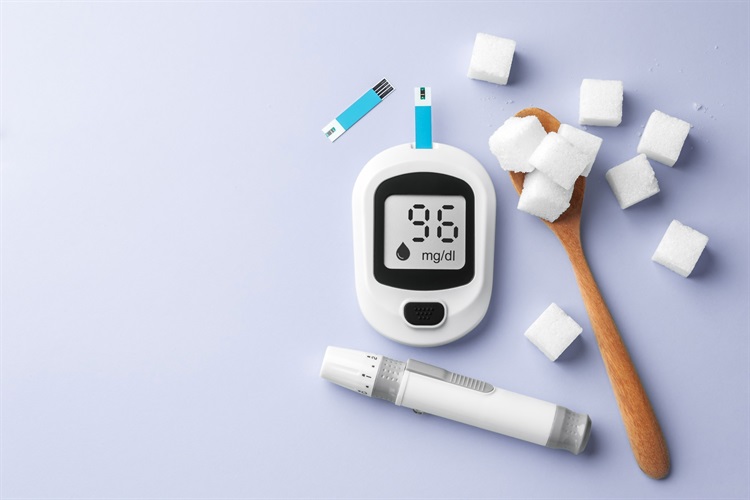
Exposure to sunlight is associated with lower blood glucose levels and a lower likelihood of type 2 diabetes, according to a new study published in the journal Scientific Reports.
Background
Type 2 diabetes is a chronic metabolic condition in which the body either cannot produce sufficient insulin or cannot use it properly, leading to the accumulation of glucose in the blood (hyperglycemia). The condition is a major public health concern, with substantial impacts on morbidity, mortality, and healthcare expenditure.
Several observational studies have linked lower circulating vitamin D levels to a higher risk of type 2 diabetes. However, current randomized controlled trials generally do not establish low vitamin D as a causal factor or support vitamin D supplementation for preventing type 2 diabetes in the general population.
Vitamin D is primarily synthesized in the human skin following exposure to the sun’s ultraviolet B (UVB) radiation. Existing evidence suggests that exposure to UV radiation can activate nitric oxide stored in the skin, which in turn can reduce blood pressure through vasodilation. Animal studies have also linked UV exposure to reductions in metabolic syndrome markers and weight gain. These observations suggest that sunlight may confer cardiovascular and metabolic health benefits independent of vitamin D.
full story . . . |
|
Surprising Reasons Why You May Be Deficient In Vitamin D — Even In The Summer
Aug 25, 2026
Vitamin D is known as the “sunshine vitamin” because your body can make it when it’s exposed to the sun. Yet many people are actually lacking this nutrient, even during the summertime.
The majority of people globally, about 60%, don’t get enough vitamin D, according to Dr. Michael Holick, a professor of medicine at Boston University Chobanian and Avedisian School of Medicine. But it’s highly important for the body to function properly.
full story . . . |
|
This May Be The Best Vitamin To Help Slow Biological Aging, Studies Show
Aug 18, 2026

Deciphering how fast your aging is a bit more complicated than counting the number of candles on your birthday cake. Because while your chronological age is fixed, but your biological age (aka how quickly your cells and tissues are aging) can vary considerably.
And increasingly, researchers are looking at whether certain lifestyle factors can influence this internal aging process. One nutrient that's getting a lot of attention is vitamin D. This vitamin does so much more than build strong bones (although we don't want to underscore that!). It also plays an important role in cellular aging.
Here's what the data show so far on vitamin D and biological (or epigenetic) aging. Considering around 40% have insufficient vitamin D levels, this is something most of us need to pay attention to.
full story . . . |
|
Could Shunning the Sun Shorten Your Life?
Aug 04, 2026
 Most dermatologists recommend shunning the sun to protect our skin. But Dr. Steve Feldman says that is probably bad for our health. Most dermatologists recommend shunning the sun to protect our skin. But Dr. Steve Feldman says that is probably bad for our health.
For decades, dermatologists have warned us to stay out of the sun. Shunning the sun was supposed to protect us from premature wrinkles and skin cancer.
It is true that spending a lot of time in the sun will damage our skin. Ultraviolet radiation can indeed accelerate wrinkling and contribute to squamous and basal cell skin cancer formation. Sunburn is unquestionably harmful and worth preventing.
But Could Avoiding Sunlight Altogether Also Carry Risks?
In this brief video, eminent dermatologist Dr. Steve Feldman describes a surprising study involving nearly 30,000 Swedish women who were followed for about 20 years.
full story . . . |
|








 Defend Your Life has three main sections. The first addresses the fundamentals of vitamin D3 and its awesome benefits as well as minimal risk. The second highlights select diseases and conditions about which vitamin D3 may offer protection. The third includes the author's personal vitamin D3 story, including her theory about adequate vitamin D3 levels and how you can 'Defend Your Life'.
 In this compelling new book,award-winning investigative journalist and bestselling author Ian Wishart brings together the most up to date science on vitamin D and how it could well save your life. Cancer? Up to a 77% reduction in risk of developing it if you take this vitamin. Heart disease? The same kind of reduction. Did you know that autism, mental illness and multiple sclerosis all appear to be caused by a lack of vitamin D during pregnancy?